Pemanas Minyak Termal Biomassa Menggunakan Serat Cangkang Inti Sawit (Serat PKS)
Perbandingan Batubara vs. Serat Cangkang Inti Sawit (Serat PKS) untuk Pemanas Minyak Termal
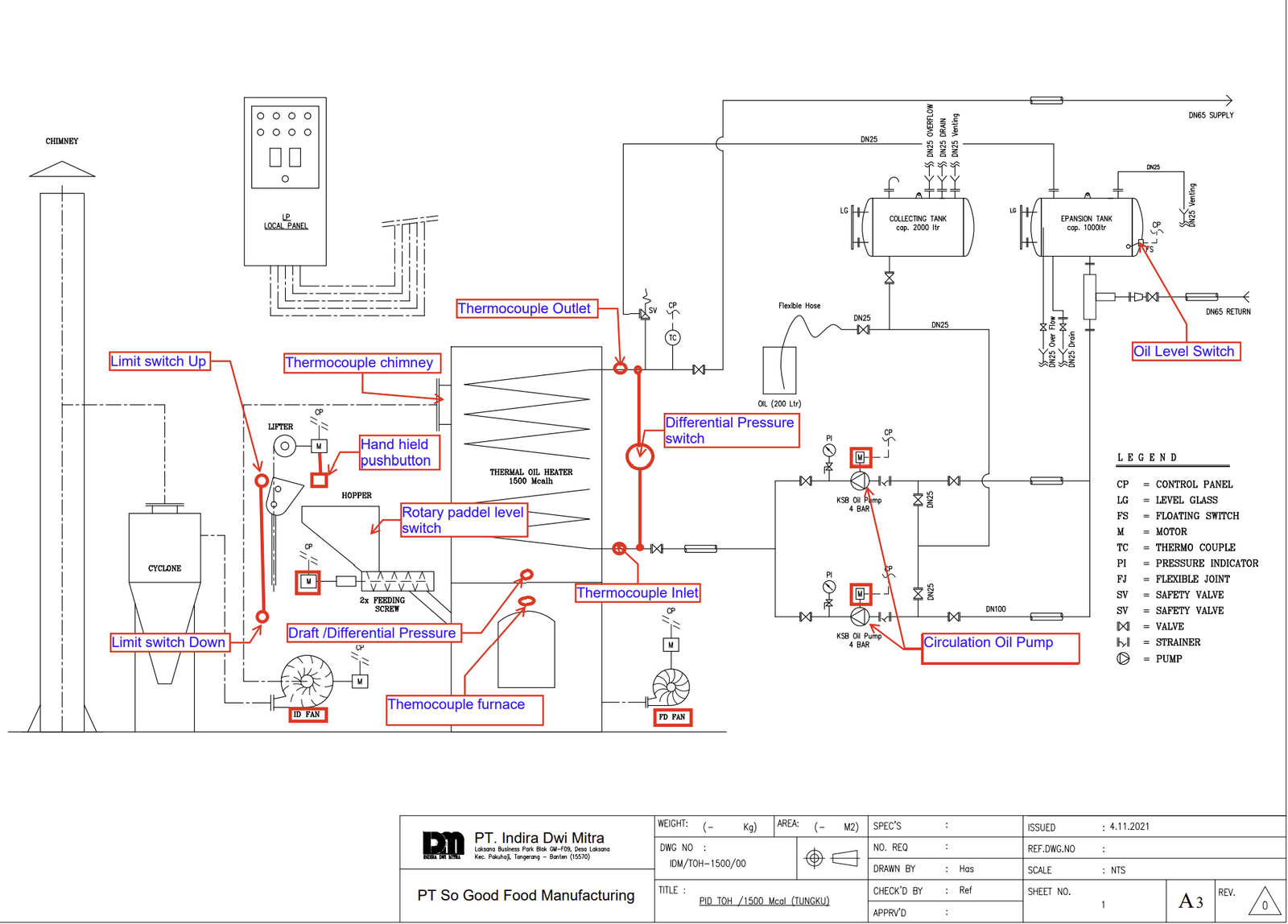
Pemanas minyak termal banyak digunakan dalam aplikasi industri yang membutuhkan suhu stabil hingga 350°C tanpa tekanan operasi tinggi yang terkait dengan boiler uap. Pemilihan bahan bakar memegang peranan penting dalam menentukan biaya operasional, efisiensi termal, emisi, kebutuhan perawatan, dan penyediaan peralatan jangka panjang.
Di antara bahan bakar biomassa padat, Serat Cangkang Inti Sawit (Serat PKS) telah menjadi salah satu alternatif terbarukan yang paling menarik pengganti batu bara. Berasal dari industri minyak sawit, Serat PKS menyediakan sumber panas berkelanjutan dengan emisi karbon yang lebih rendah sekaligus memanfaatkan limbah pertanian yang jika tidak dimanfaatkan akan memiliki nilai ekonomi yang terbatas.
Artikel ini membandingkan batu bara dan serat cangkang inti sawit sebagai bahan bakar untuk pemanas minyak termal industri guna membantu produsen memilih sumber energi yang paling sesuai.
Batu Bara sebagai Bahan Bakar Pemanas Minyak Termal
Batu bara secara tradisional telah menjadi bahan bakar pilihan untuk sistem pemanas industri skala besar karena nilai kalornya yang tinggi dan karakteristik pembakarannya yang relatif stabil.
Keuntungan
- Pembakaran stabil
- Cocok untuk pengoperasian industri berkelanjutan.
- Tersedia di banyak wilayah industri.
- Konsumsi bahan bakar lebih rendah per unit panas
- Nilai kalor tinggi
Keterbatasan
- Emisi CO₂ yang tinggi
- Emisi SOx dan NOx yang signifikan
- Jumlah abu yang banyak
- Biaya perawatan yang lebih tinggi
- Meningkatnya regulasi lingkungan
Pemanas minyak termla berbahan bakar batu bara umumnya membutuhkan:
- Sistem pengumpulan debu yang lebih besar
- siklon kecil
- Menyaring.
- Sistem penanganan abu yang efisien
- Instalasi cerobong asap yang lebih besar
Berbeda dengan batubara, Serat PKS dianggap sebagai sumber bio massa terbarukan karena berasal dari sisa-sisa pertanian.
Keuntungan
- Sumber energi terbarukan
- Mengurangi emisi gas rumah kaca
- Pengurangan emisi sulfur
- Jejak karbon yang lebih rendah
- Mendukung manufaktur berkelanjutan
- Biaya operasional seringkali lebih rendah di wilayah penghasil kelapa sawit.
Keterbatasan
- Nilai kalornya lebih rendah dari batu bara.
- Kandungan kelembapannya lebih tinggi
- Membutuhkan area penyimpanan bahan bakar yang lebih besar.
- Kualitas bahan bakar dapat bervariasi tergantung pemasok.
- Membutuhkan kontrol udara pembakaran yang tepat.
Perbandingan Sifat Bahan Bakar
| Milik | Batu bara | Serat Cangkang Inti Sawit |
|---|---|---|
| Nilai Kalori | 5.000–6.500 kkal/kg | 3.200–4.200 kkal/kg |
| Kelembapan | Rendah | Sedang |
| Kandungan Abu | Tinggi | Rendah hingga Sedang |
| Kandungan Sulfur | Tinggi | Sangat Rendah |
| Emisi CO₂ | Tinggi | Jauh Lebih Rendah |
| Terbarukan | Tidak | Ya |
| Kepadatan Bahan Bakar | Tinggi | Lebih rendah |
Kinerja Pembakaran
Batu bara umumnya menghasilkan nyala api yang lebih pekat dengan suhu pembakaran yang lebih tinggi.
Serat PKS terbakar dengan:
- Emisi sulfur yang lebih rendah
- Pembentukan klinker lebih sedikit
- Mengurangi risiko korosi
- Pembakaran yang lebih bersih
- Nyala api yang lebih lembut
Pemanas minyak termal biomassa modern menggunakan:
- Kisi-kisi bolak-balik
- Sistem pengumpanan bahan bakar otomatis
- Udara pembakaran primer dan sekunder
- Tungku kisi bergerak
- Kipas hisap paksa dengan variabel kecepatan
Teknologi-teknologi ini secara signifikan meningkatkan efisiensi pembakaran sekaligus menjaga suhu oli termal tetap stabil.
Dampak Lingkungan
Kinerja lingkungan telah menjadi salah satu alasan utama mengapa industri beralih dari batu bara ke biomassa.
Batu Bara
- SOx tinggi
- Emisi partikulat yang lebih tinggi
- Biaya menyediakan lingkungan yang lebih besar
- Emisi CO₂ yang tinggi
Serat PKS
- Biomassa netral karbon (berdasarkan banyak kerangka akuntansi)
- Emisi sulfur yang lebih rendah
- Mengurangi emisi tertentu dengan pembakaran yang tepat.
- Mendukung inisiatif energi terbarukan
Banyak produsen yang mengadopsi sistem biomassa untuk memenuhi tujuan ESG dan mengurangi ketergantungan pada bahan bakar fosil.
Perbandingan Perawatan
Pembakaran batu bara umumnya menghasilkan:
- Lebih banyak abu
- Lebih banyak terak
- Pengotoran yang lebih tinggi
- Peningkatan frekuensi pembersihan
PKS Fiber biasanya menghasilkan:
- Lebih sedikit klinker
- Korosi sulfur yang lebih rendah
- Kurangi abu abu
- Perawatan tungku yang lebih mudah
Persiapan bahan bakar yang tepat tetap penting untuk menjaga efisiensi pembakaran yang konsisten.
Pertimbangan Biaya Operasional
Kentungan ekonomi sangat bergantung pada harga bahan bahna lokal.
Penawaran batu bara:
- Kepadatan energi yang lebih tinggi
- Volume penyimpanan lebih rendah
- Pembakaran stabil jangka panjang
PKS Fiber dapat menyediakan:
- Biaya bahan bakar lebih rendah di wilayah penghasil kelapa sawit.
- Insentif bahan bakar terbarukan
- Mengurangi biaya kepatuhan emisi
- Kurangi pajak lingkungan jika memungkinkan.
Evaluasi lengkap harus mencakup:
- Harga pembelian bahan bakar
- Biaya transportasi
- Persyaratan penyimpanan
- Biaya perawatan
- Biaya pengendalian emisi
- Ketersediaan bahan bakar jangka panjang
Aplikasi
Pemanas Minyak Termal Biomassa yang menggunakan Serat Cangkang Inti Sawit cocok untuk:
- Pabrik Minyak Sawit
- Industri Karet
- Pabrik Aspal
- Industri Tekstil
- Pengolahan Minyak Nabati
- Pabrik Kimia
Pengolahan Makanan
- Pengeringan Kayu
- Industri Kayu Lapis
- Pembuatan Papan Partikel
- Produksi Pakan Ternak
- Pengering Biomassa
Mengapa Memilih Pemanas Minyak Termal Biomassa
Dibandingkan dengan sistem uap konvensional, pemanas minyak termal memberikan:
- Stabilitas suhu yang sangat baik
- Efisiensi termal tinggi
- Persyaratan perawatan yang lebih rendah
- Suhu tinggi Hingga 350°C
- Tekanan operasi rendah
- Biaya pengolahan udara yang lebih rendah
- Mengurangi pembentukan kerak dan korosi
- Masa pakai peralatan yang lebih lama
Jika dikombinasikan dengan Serat Cangkang Inti Sawit , sistem ini menawarkan solusi pemanasan yang ramah lingkungan dan hemat biaya untuk fasilitas industri modern.
Kesimpulan
Tidak ada satu jenis bahan bakar pun yang ideal untuk setiap aplikasi industri. Batu bara tetap menjadi pilihan yang sangat baik di mana kepadatan energi maksimum dan pengoperasian beban tinggi berkelanjutan menjadi prioritas. Namun, serat cangkang inti sawit telah menjadi alternatif yang semakin menarik karena sifatnya yang terbarukan, emisi yang lebih rendah, dampak lingkungan yang berkurang, dan biaya operasional yang kompetitif—terutama di wilayah dengan produksi minyak sawit yang melimpah. Sebelum memilih bahan bakar, produsen harus menyediakan ketersediaan bahan bakar, total biaya operasional, teknologi pembakaran, persyaratan perawatan, peraturan emisi, dan tujuan keinginan jangka panjang untuk memastikan sistem pemanas minyak termal yang paling andal dan ekonomis.
Keuntungan
- Nilai kalor
- tinggi (biasanya 5.000–7.000 kkal/kg )
- Cocok untuk boiler uap berkapasitas sedang dan besar.
- Karakteristik pembakaran yang stabil
- Konsumsi bahan bakar per ton uap lebih rendah dibandingkan dengan biomassa.
- Tersedia secara luas di banyak wilayah industri
Kekurangan
- Emisi CO₂ yang lebih tinggi
- Menghasilkan oksida sulfur (SOx) dan oksida nitrogen (NOx)
- Membutuhkan peralatan pen gendalian
- Meningkatnya regulasi lingkungan dan pajak karbon di banyak negara
- Manghasilkan abu dalam jumlah signifikan yang memerlukan pembuangan
Cangkang Inti Sawit (PKS) sebagai Bahan Bakar Boiler
Cangkang inti sawit merupakan bahan bakar biomassa terbarukan yang dihasilkan sebagai produk sampingan dari industri minyak sawit. Bahan bakar ini semakin populer untuk boiler biomassa karena keinginannya dan dampak lingkungan yang rendah.
Keuntungan
- Bahan bakar biomassa terbarukan dan karbon netral
- Kandungan sulfur lebih rendah dari batubara .
- Pengurangan emisi gas rumah kaca
- Dampak lingkungan yang lebih rendah
- Cocok untuk perusahaan yang mengejar tujuan dan keinginan ESG
- Dapat memenuhi persyaratan untuk insentif energi terbarukan di beberapa wilayah
Kekurangan
- Nilai kalornya lebih rendah dari batu bara.
- Kualitas bahan bakar bervariasi tergantung pada kandungan kelembapannya.
- Membutuhkan volume penyimpanan yang lebih besar.
- Pasokan dapat berfluktuasi seiring dengan produksi minyak sawit
- Membutuhkan penang anan bahan bakar yang tepat untuk mencegah penyerapan kelembapan.
Pertimbangan Efisiensi Boiler
Efisiensi boiler sebenarnya tidak hanya bergantung pada jenis bahan bakar, tetapi juga pada:
- Desain boiler
- Pengontrol
- Pengaturan udara
- Kelembapan bahan bakar
- Ukuran partikel bahan bakar
- Sistem pemulihan panas
- Praktik operator
Boiler biomassa modern dapat mencapai efisiensi yang setara dengan sistem berbahan bakar batubara jika dirancang dan dioperasikan dengan benar.
Contoh Konsumsi Bahan Bakar
Misalkan sebuah pabrik membutuhkan sekitar 1.000.000 kkal/jam panas.
Menggunakan Batu Bara
- Nilai kalor: 6.000 kkal/kg
- Bahan bakar yang dibutuhkan:
1.000.000 ÷ 6.000 ≈ 167 kg/jam
Menggunakan Cangkang Inti Sawit
- Nilai kalori: 4.200 kkal/kg
- Bahan bakar yang dibutuhkan:
1.000.000 4.200 ≈ 238 kg/jam
Meskipun konsumsi PKS lebih tinggi, biaya bahan bakar per kilogram dan manfaat lingkungan dapat menyeimbangkan peningkatan konsumsi tersebut, tergantung pada harga pasar lokal.
Perbandingan Lingkungan
Batu bara
- Emisi CO₂ yang tinggi
- Emisi SOx yang lebih tinggi
- Emisi NOx yang lebih tinggi
- Lebih banyak abu terbang
- Biaya menyediakan lingkungan yang lebih tinggi
Cangkang Inti Sawit
- Biomassa terbarukan
- Emisi sulfur yang lebih rendah
- Emisi karbon bersih yang lebih rendah
- Produksi abu lebih sedikit
- Mendukung inisiatif manufaktur berkelanjutan
Pertimbangan Biaya
Bahan bakar yang paling ekonomis bergantung pada:
- Harga bahan bakar lokal
- Biaya transportasi
- Efisiensi boiler
- Biaya perawatan
- Biaya pengesahan lingkungan
- Ketersediaan pasokan bahan bakar
Meskipun batu bara umumnya memberikan lebih banyak energi per kilogram, cangkang inti sawit dapat menawarkan biaya operasional keseluruhan yang lebih rendah di daerah dengan produksi minyak sawit yang melimpah.
Bahan Bakar Mana yang Harus Anda Pilih?
Bahan bakar boiler yang ideal bergantung pada kebutuhan produksi Anda, biaya operasional, tujuan lingkungan, dan ketersediaan bahan bakar. Berikut adalah rekomendasi umum untuk membantu mengarahkan keputusan Anda.
Pilih Batu Bara jika:
- Output panas maksimum dan efisiensi pembakaran yang tinggi adalah prioritas utama Anda.
- Batu bara mudah diperoleh dengan harga yang stabil dan kompetitif.
- Fasilitas Anda mengoperasikan sistem boiler berbahan bakar batubara yang sudah ada.
- Peraturan lingkungan mengizinkan penggunaan bahan bakar fosil.
- Konsumsi bahan bakar yang lebih rendah per unit panas merupakan pertimbangan penting.
Pilih Cangkang Inti Sawit (PKS) jika:
- Keberlanjutan dan energi terbarukan merupakan bagian dari strategi perusahaan Anda.
- Mengurangi emisi gas rumah kaca dan meningkatkan kinerja lingkungan adalah tujuan utama.
- Cangkang inti sawit tersedia secara lokal dengan harga yang kompetitif.
- Perusahaan Anda bertujuan untuk mematuhi peraturan lingkungan jangka panjang atau inisiatif ESG.
- Anda ingin mengurangi ketergantungan pada bahan bakar fosil sambil tetap mempertahankan pembangkitan uap yang andal.
Pemilihan bahan bakar boiler yang tepat memerlukan keseimbangan antara kinerja termal, biaya operasional, ketersediaan bahan bakar, kepatuhan terhadap lingkungan, dan tujuan jangka panjang . Tidak ada satu pun bahan bakar yang ideal untuk setiap aplikasi industri.
Batu bara tetap menjadi pilihan yang andal bagi produsen yang membutuhkan keluaran panas tinggi, stabilisasi pembakaran, dan konsumsi bahan bakar yang lebih rendah karena nilai kalornya yang tinggi. Ini sangat cocok untuk fasilitas yang sudah memiliki sistem boiler berbahan bakar batu bara dan akses ke pasokan batu bara yang ekonomis dan konsisten.
Cangkang Inti Sawit (PKS)
Palm Kernel Shell (PKS) merupakan alternatif bahan bakar biomassa yang berkelanjutan dan terbarukan. Meskipun nilai kalornya lebih rendah dan membutuhkan konsumsi bahan bakar lebih tinggi dibandingkan batubara, PKS memiliki manfaat lingkungan, seperti emisi sulfur lebih rendah, pengurangan gas rumah kaca, serta peningkatan kinerja keberlanjutan. Di wilayah penghasil minyak sawit, PKS juga berpotensi menjadi bahan bakar yang ekonomis. Bagi industri di Asia Tenggara dan wilayah penghasil minyak sawit lainnya, PKS semakin diminati karena ketersediaannya melimpah, harganya kompetitif, dan mendukung penerapan prinsip Lingkungan, Sosial, dan Tata Kelola (ESG) perusahaan.
Sebelum mengambil keputusan akhir, industri harus mempertimbangkan faktor-faktor berikut:
- Total biaya bahan bakar dan stabilitas harga jangka panjang
- Ketersediaan bahan bakar lokal dan pasokan
- Desain boiler dan kompatibilitas pembakaran
- Kapasitas uap dan efisiensi termal yang dibutuhkan
- Persyaratan perawatan dan penanganan abu
- Peraturan lingkungan dan batasan emisi
- Tujuan keinginan dan target pengurangan karbon
- Pengembalian investasi (ROI) dan biaya operasional siklus hidup
Pada akhirnya, baik batu bara maupun cangkang inti sawit (PKS) terbukti sebagai bahan bakar yang andal untuk boiler uap industri. Pilihan yang paling tepat bergantung pada prioritas operasional, strategi energi, dan komitmen lingkungan masing-masing fasilitas. Evaluasi teknis dan ekonomi yang komprehensif akan memastikan bahan bakar yang dipilih menghasilkan pembangkitan uap yang andal, efisiensi maksimum, dan biaya kepemilikan keseluruhan terendah sepanjang masa pakai boiler.
Parameter
| Parameter | Batu bara | Cangkang palem |
| Kelembapan | 5,83 | 4.30 |
| Abu | 5.40 | 2.63 |
| Zat mudah menguap | 46.00 | 73,65 |
| Karbon tetap | 42,77 | 19.42 |
| Nilai kalor (kJ/kg) | 24.702 | 20.355 |
| Nilai Kalori Bruto (Kkal/kg) | 5900 | 4.850 |
| Karbon | 60,65 | 29.32 |
| Hidrogen | 5,75 | 5,88 |
| Nitrogen | 0,48 | 0,30 |
| Total Sulfur | 0,38 | 0,13 |
| Oksigen | 27.34 | 61,74 |
Definisi Energi Biomassa
Definisi energi biomassa digunakan sebagai pengganti bahan bakar, sehingga peran pembaruan lahan sebagai sumber energi biomassa perlu dilakukan untuk menghasilkan energi biomassa itu sendiri. Meskipun sumber energi biomassa untuk beberapa jenis tersedia secara alami, untuk menghasilkan energi biomassa ini, tentu dibutuhkan dalam jumlah besar untuk menghasilkan energi bahan bakar yang besar.
Penggunaan energi biomassa dari bahan alami benar-benar perlu dilakukan untuk menghilangkan ketergantungan pada energi tak terbarukan. Pengembangan terus dilakukan untuk menghasilkan energi biomassa yang dapat diperbarui dengan cepat dan tetap ramah lingkungan. Pada dasarnya, gagasan energi biomassa sebagai bahan penghasil energi dari unsur biologi seperti organisme mati atau tumbuhan hidup tentu akan menarik pertimbangan untuk menelusuri energi di masa depan.
Penggunaan energi biomassa dapat dimanfaatkan sebagai jalan keluar dari keterbatasan energi non-terbarukan. Oleh karena itu, energi biomassa telah banyak dipelajari dalam beberapa tahun terakhir untuk menggantikan kelangkaan energi bahan bakar non-terbarukan. Indonesia, dengan potensi alamnya yang melimpah, sebenarnya memiliki potensi untuk menghasilkan beragam energi biomassa untuk kebutuhan manusia. Pengelolaan bahan penghasil energi biomassa ini sebenarnya akan menghemat pengeluaran negara dengan pengelolaan yang baik . Oleh karena itu diketahui, pemahaman tentang energi biomassa perlu oleh semua lapisan masyarakat untuk mengembangkan energi terbarukan.
Cangkang kelapa sawit sebagai briket arang
Transformasi kontemporer, di mana varietas Minyak Sawit tidak hanya digunakan sebagai sumber minyak. Tetapi juga memanfaatkan tumpukan limbah produksi cangkang yang selama ini menjadi keluhan. Sesuatu yang diabaikan sebenarnya dapat diolah menjadi bahan baku dengan nilai rupiah tinggi, ramah lingkungan, dan tanpa polusi. Sebut saja salah satunya adalah menjadikan cangkang atau tempurung kelapa sebagai Briket Arang. Karakteristik keras cangkang yang mengandung kombinasi elemen di dalamnya. Di antaranya adalah kadar air lembap, intensitas abu rendah, penguapan tinggi, dan kadar karbon aktif sedang, menjadikan bahan baku yang efisien. Untuk lebih jelasnya, akan lebih baik jika mengetahui keunggulan cangkang sawit sebagai briket arang secara komprehensif. Sebagai penawar rasa ingin tahu ini, Anda sebaiknya membaca ulasan di bawah ini sampai selesai.
Manfaat Cangkang Sawit sebagai Briket Arang
Pada dasarnya, briket arang adalah bahan bakar alternatif yang menggunakan kayu dan cangkang sebagai media utama. Briket ini memproduksi mampu menggantikan sumber daya alam kuno yang sangat populer sesuai kebutuhan masyarakat. Bahan briket itu sendiri diproses dengan cara dihaluskan terlebih dahulu, kemudian dicampur dengan pati dan dibentuk dalam cetakan khusus sesuai kebutuhan. Proses yang berkelanjutan ini tentu akan berdampak pada kualitas penggunaan briket arang yang terbuat dari cangkang kelapa sawit. Adapun beberapa keunggulan cangkang kelapa sawit sebagai briket arang, akan disajikan secara lugas sebagai berikut:
Efisien dan Ekonomis
Keunggulan pertama briket arang yang terbuat dari tempurung kelapa sawit adalah efisiensinya dalam penggunaan. Bahan baku alternatif ini sangat cocok bagi Anda yang ingin menghemat budget untuk kebutuhan dapur sehari-hari. Penghematan penggunaan bahan baku sangat berpengaruh pada anggaran belanja dan ketahanan lama. Harganya ekonomis namun kualitasnya terjamin, tidak diragukan lagi.
Lebih aman
Memilih briket arang tempurung kelapa sawit sebagai bahan bakar utama untuk memenuhi kebutuhan Anda berarti Anda telah menghindari risiko yang tidak diinginkan. terjadi kecelakaan pembakaran atau ledakan pipa. Karena dengan menggunakan briket arang ini, keselamatan Anda akan lebih terjamin.
Ramah lingkungan
Pemanfaatan limbah produksi tempurung kelapa sawit ini juga memiliki keunggulan ramah lingkungan. Hal ini karena tempurung kelapa sawit mengandung unsur-unsur yang kaya manfaat. Di antaranya, mulai dari kandungan abu yang minimal, yaitu sekitar 2-3%. Sehingga pembakaran sebelumnya menyisakan sedikit abu. Mengandung intensitas kadar udara (kelembaban dalam Analisa), yaitu 7-8%. Selain itu, juga memiliki sekitar karbon aktif murni (fixed carbon) dengan intensitas yang cukup tinggi yaitu 20-22%. Serta jumlah zat mudah menguap (volatile evaporation) yang dapat dipecah cukup tinggi, yaitu sekitar 69-70%. Semua elemen ini menjadikan tempurung kelapa sawit sebagai media bahan bakar utama yang berstatus ramah lingkungan.
Tahan Lama (Awet)
Briket arang tempurung kelapa sawit juga memiliki keunggulan dalam proses pembakaran. Dalam artian memiliki durasi yang lama saat digunakan. Singkatnya, tahan lama atau awet dalam penggunaan. Tidak mengherankan jika briket yang terbuat dari tempurung kelapa sawit merupakan alternatif yang sangat baik dan direkomendasikan untuk digunakan sebagai bahan bakar sehari-hari. Terlebih lagi, kualitas tahan lama ini diimbangi dengan harga yang ekonomis.
Tanpa secepatnya
Keunggulan lain yang dimiliki oleh Briket Arang Tempurung Sawit adalah kandungan intensitas penguapan (zat mudah menguap) yang tinggi, yaitu sekitar 69-70%. Dengan demikian, ini berarti akan jauh lebih ramah terhadap lingkungan sekitar. Karena tempurung inti sawit mengandung zat ini, kandungan karbon sulfurnya relatif lebih rendah dibandingkan yang lain, sehingga dapat mengurangi polusi udara.
Tidak berbau
Penggunaan briket ini tidak akan mengeluarkan bau yang tidak sedap dan aneh. Karena briket arang tempurung kelapa sawit sama sekali tidak berbau. Sehingga cocok sebagai bahan bakar utama dapur Anda.
Pembakaran Maksimum
Selain itu, penggunaan briket arang juga memiliki keunggulan dalam hal pembakaran maksimal. Karena panas yang dihasilkan bersifat kontinu dan stabil. Sangat cocok untuk memasak dan sebagainya.
Manfaat Sumber Daya Terbarukan
Cangkang kelapa sawit yang merupakan limbah produksi industri yang melimpah dapat dimanfaatkan sebagai sumber daya terbarukan yang mudah diperoleh. Dalam konteks ini, cangkang kelapa sawit dapat dimanfaatkan sebagai media utama untuk menghasilkan briket arang cangkang kelapa sawit sebagai bahan bakar alternatif.
Cangkang palem sebagai paving block
Ketika membahas produk pengaspalan jalan, secara umum, akan mengarah pada istilah aspal. Salah satu bahan baku yang bergantung pada sumber daya alam. Produk yang sering digunakan secara intensif sebagai bahan baku utama untuk melunakkan kondisi bahu jalan. Tetapi apakah Anda berpikir bahwa tidak ada alternatif lain untuk pengaspalan jalan? Nah, tidak perlu penasaran dengan produk apa itu. Sebut saja produk cangkang kelapa sawit. Salah satu limbah produksi industri dari pembuatan minyak kelapa sawit. Ini adalah terobosan baru dalam memanfaatkan limbah yang terbuang. Jadi mengapa cangkang kelapa sawit? Atau, lebih tepatnya, ada keuntungan cangkang kelapa sawit sebagai pengaspalan jalan. Untuk menjawab rasa penasaran ini, akan lebih baik jika Anda menyelesaikan membaca ulasan di bawah ini.
Keunggulan Cangkang Minyak Sawit Sebagai Bahan Perkerasan Jalan
Ada beberapa hal yang perlu dipertimbangkan mengapa Anda harus menggunakan cangkang palem sebagai bahan paving. Ada beberapa hal terkait keuntungan menggunakan cangkang palem sebagai bahan paving, yang akan dijelaskan secara lugas di bawah ini:
Proporsionalitas Kandungan Unsur
Di antara unsur-unsur tersebut, dimulai dari yang terdapat dalam tempurung kelapa sawit. Unsur-unsur tersebut memiliki kandungan abu minimal sekitar 2-3%. Intensitas udara lembap sebesar 7-8%. Kandungan karbon aktif sedang, yaitu 20-22%, hingga nilai penguapan tinggi, yaitu 69-70%. Proporsi kandungan ini memberikan manfaat yang melimpah bagi kehidupan manusia.
Bahan Baku Melimpah
Pabrik-pabrik industri minyak sawit pada dasarnya pasti melakukan produksi minyak dalam skala besar. Sehingga secara spontan dan otomatis, limbah berupa cangkang sawit akan menumpuk. Di sisi lain, limbah produksi ini merupakan bahan utama untuk menghasilkan energi alternatif yang mudah diperoleh, terutama di sekitar pabrik. Cangkang sawit digunakan sebagai bahan pengerasan jalan untuk menggantikan aspal. Ketersediaan cangkang sawit dalam jumlah besar sangat memungkinkan untuk diolah kembali menjadi bahan baku yang lebih bermanfaat. Setidaknya ini adalah salah satu cara untuk memaksimalkan penggunaan sumber daya yang melimpah.
Simbiosis Timbal Balik
Dengan menjadikan tempurung kelapa sawit sebagai bahan baku utama untuk pengaspalan jalan, setidaknya hal ini dapat mengurangi intensitas limbah produksi pabrik industri. Sistem daur ulang limbah produksi adalah solusi tepat yang harus diambil. Di mana pengelolaan daur ulang relatif lebih mungkin menjadi simbiosis mutualistik. Bahkan, terobosan baru ini sebenarnya merupakan bentuk kerumitan dalam proses kreatif dan inovasi yang layak dikembangkan serta menjadi bahan referensi.
Manfaat Jangka Panjang
Keuntungan lain dari minyak sawit sebagai bahan pengerasan jalan adalah adanya infrastruktur yang bermanfaat dalam jangka panjang. Memiliki akses jalan yang mulus dan nyaman tentu menjadi impian setiap orang, terutama mereka yang memiliki kendaraan pribadi. Pemanfaatan limbah sebagai bahan pengerasan utama untuk jalan sebenarnya memberikan kontribusi besar dalam melestarikan pembangunan jalan. Karena kekuatan yang dimiliki oleh cangkang sawit tidak jauh berbeda dengan hasil yang dijanjikan oleh aspal.
Harga yang Jauh Lebih Ekonomis
Sementara itu, keunggulan terakhir cangkang kelapa sawit sebagai bahan paving terletak pada anggaran yang harus dikeluarkan. Harga jual cangkang kelapa sawit yang lebih terjangkau merupakan pembeda yang jelas dari bahan baku lainnya. Dengan harga patokan yang relatif murah, setidaknya akan sangat membantu dalam meminimalkan anggaran pembangunan jalan. Sehingga anggaran yang tersisa dapat digunakan untuk kebutuhan lain yang berkaitan dengan sumber daya manusia yang dibutuhkan saat melakukan pengaspalan.
Workshop
Kawasan Pergudangan Laksana Business Park, Jalan Laksana 6 Blok F 09, Desa laksana Kec. Pakuhaji, Kab. Tanggerang, Banten – 15570
PT Indira Mitra Boiler
Ratman Bejo
☎️081388666204
Situs web saya
https://indira.co.id
Email: info@indira.co.id
Email: idmratman@gmail.com
https://www.youtube.com/@Ratman_Bejo/videos